

Meeting at SWR in Kaiserslautern
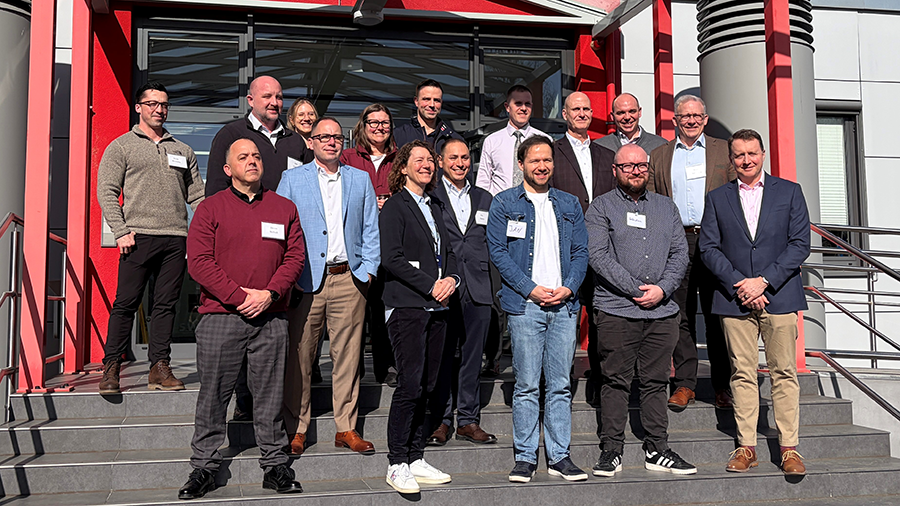
Foto: SWR
The SWR studio on Fliegerstraße in Kaiserslautern was inaugurated in 1958 and is one of the most important media institutions in the city and the surrounding area - and we were given a behind-the-scenes look at the studio with participants of the Leadership Connect program! The heart of the building is the Emmerich Smola Hall, named after Emmerich Smola who was the chief conductor of the Kaiserslautern Radio Orchestra until 1987, as well as being the director of the Kaiserslautern studio for a period of time. The hall is considered a modern venue for concerts and other events. Its unique wooden structure provides exceptional acoustics, creating a special atmosphere for musical performances and events.
The studio is responsible for independent reporting across the entire Western Palatinate region. It is also closely connected to 13 SWR studios, 20 regional offices and three broadcasting centres. In recent years, online formats, social media and the ARD media library's streaming services have given the studio a particular boost. The studio's work focuses on providing reliable information on education, culture, entertainment, and social issues. The aim is to produce content that is accurate, understandable and suitable for the respective channels, while also taking into account the audience's changing attention span. Research by reporters, evaluations of user interests and click rates provide insight into relevant topics. However, credibility remains the top priority: articles are carefully checked and published according to the dual control principle.
After visiting the concert hall, recording studio and television studio and watching a live broadcast, the participants discussed topics of mutual interest. The use of artificial intelligence in reporting was a key topic of conversation. One thing is clear: no content is published without human oversight. A current project involves creating an English-language news section for the website, with articles written with the help of AI and then reviewed by editors. The team discusses the use of AI almost every day, as well as how it will continue to develop in the future. Transparency, authentic images, naming authors and careful fact-checking remain central to the standards of public service broadcasting.
The exchange with representatives from the US public affairs sector was also particularly exciting. They provided insights into the cooperation between the military and the media and, similar to SWR, emphasized the importance of clear communication and reliable information. For them, this also involves maintaining close contact with local media representatives.
Learning about the open feedback culture within the SWR team was very impressive, too: it is respectful and honest, and comes not only from managers but also from within the team. The American side also emphasised how essential feedback is, particularly in aviation where, in the worst case, human lives are at stake.
Another interesting question was how living and working in Germany has changed Americans' perception of leadership. Here, the European context plays a greater role: leadership requires cultural understanding and close coordination with local institutions. Political changes can shift priorities, but the focus always remains on the task at hand, both in journalism and in the military.